

Battery Recycling Challenges And Opportunities In Nepal | Asian Batteries
- Sustainable Energy |
- Asian Batteries |
- 14 January, 2026 |
- 729 views |
- 0 comments
The trend of using battery-based products and technologies is rising in Nepal. From daily gadgets like mobile devices to power back systems and automobiles, they require batteries to operate. The growing consumption of battery-based products in Nepal has increased the challenges of waste management. However, along with challenges, there are tremendous opportunities that Nepal can […]
Table of Content
The trend of using battery-based products and technologies is rising in Nepal. From daily gadgets like mobile devices to power back systems and automobiles, they require batteries to operate. The growing consumption of battery-based products in Nepal has increased the challenges of waste management. However, along with challenges, there are tremendous opportunities that Nepal can seize by recycling batteries using technology and introducing policies. In this blog, we provide information regarding battery recycling challenges and opportunities for battery recycling in Nepal.
Battery Waste Management Issues In Nepal
The battery waste management issue in Nepal is a growing concern due to messy and unregulated issue. Mostly lead-acid batteries from vehicles and backup systems like inverters are primary market in Nepal. And recently, the increasing demand for lithium batteries for EV vehicles is also increasing. Although battery uses are increasing, Nepal does not have methodological systems to rely on for the management and monitoring of battery waste.
There is general practice of old batteries being thrown away in regular household garbage and informal scrap collectors. Such practices cause serious threats and issues to environment and health as batteries are composed of hazardous materials. The lack of public awareness, proper battery management regulation, and specified collection points are primary reasons for the issue.
Environmental and Health Risks Of Recycling
Recycling batteries is one of the suitable options to manage battery waste in Nepal. But, it possesses various environmental and health issues. The major environmental and health risks includes:
Hazardous Chemical Exposure
There is high chance of exposure to toxic chemicals like lead, sulfuric acid, lithium, and mercury. During informal recycling process, lack of safety equipment and proper recycling procedures increases chance of contamination with chemicals. These chemicals can cause health issues to workers or person on the workplace.
Soil and Water Contamination
The improper recycling process contaminates soil and groundwater. They also affect the quality of the crops and lead to food safety issues. Polluted groundwater may also impact drinking water and increase the health risks in the long run.
Air Pollution from Open Burning
The burning of batteries somehow increases air pollution in the area. This emits hazardous fumes and very toxic gases into the atmosphere. Long exposure adds the risk of respiratory diseases, heart diseases, and environmental pollution. They also impact on worker’s health by increasing the chance of skin diseases, respiratory problems, and other health issues.
Recycling Infrastructure and Policy Gaps
Nepal faces issues in recycling batteries due to lack of recycling infrastructure and policy gaps. Nepal lacks:
- Formal recycling facilities: Nepal lacks licensed and approved battery recycling facilities that follow proper procedures to safely recycle batteries. Most recycler exports batteries for recycling or recycles without following safe process.
- Policy and regulations: There are no proper battery waste management policy targeted for management of battery waste in Nepal. Also, weak enforcement of environment safety act has further mismanaged the battery waste in Nepal.
- Institutional framework: Nepal’s authority lacks coordination due to which clear communication regarding roles and responsibilities of institutions in battery management are hampered. Also, lack of knowledge, budget, and data further weakens institutional capacity to manage battery recycling challenges in Nepal.
Opportunities In Battery Recycling
Along with challenges, Nepal has tremendous opportunities for investment in battery recycling and waste management technologies. If proper regulation and framework for battery management are implemented, there is high scope of economic benefits and solving waste management issue in Nepal. Nepal has high opportunities in battery recycling due to:
- Growth of EV Market: The growth of battery-based products and electric mobility in Nepal has increased in last decade. With increase in consumption of battery-based products, the battery waste also rises significantly. This increases opportunities for organizations to set up recycling systems and get its economic benefits.
- Technological Opportunity: With installation of recycling systems, Nepal get introduction to modern recycling technologies that reduce Nepal’s dependence on importing raw materials and waste management.
- Collaboration with Regional Partners: The adoption of battery management infrastructure and facilities allows Nepal to collaborate with regional nations in managing battery waste and develop recycling infrastructures.
Sustainable Battery Disposal Solutions
To develop a sustainable battery disposal system, a multi-stakeholder approach is needed. Establishing certified recycling centers and collection points also helps in the collection of battery waste. In addition, public awareness, proper battery disposal instructions, and regulation are also very important. Making manufacturers and importers responsible for the whole battery life cycle will be one of the major steps towards sustainability in the long run.
Conclusion
Battery recycling and waste management are major issues for Nepal due to lack of regulation, policies, and recycling infrastructures. However, the increasing battery consumption and forecasted waste in future can be opportunity for managing waste. Nepal can invest in recycling infrastructures, formulate battery recycling policies and regulations, and promote proper disposal of batteries to get several benefits. Contact Asian Batteries for advanced battery that are recyclable and minimizes waste to promote environmental sustainability.
More Related Blogs
13 October, 2026
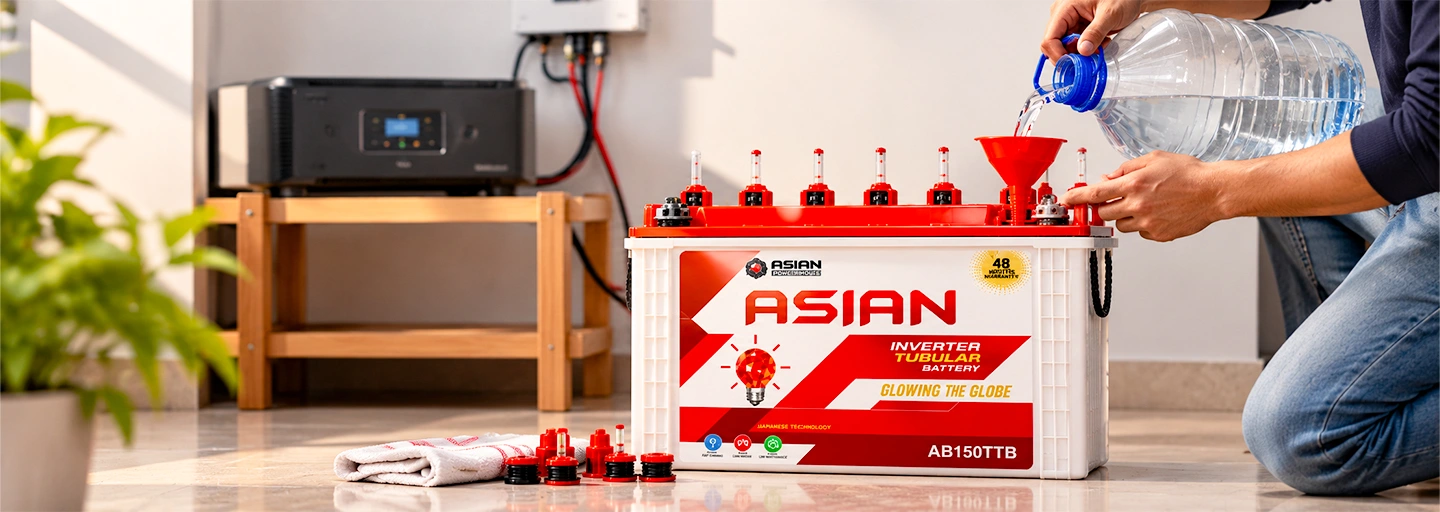
How to Refill Water in Inverter Batteries?
08 October, 2026
Is Tubular Battery Fit for Solar Applications?

24 September, 2026
2nd Annual General Meeting (AGM) Notice



Comments 0
Write a Comment